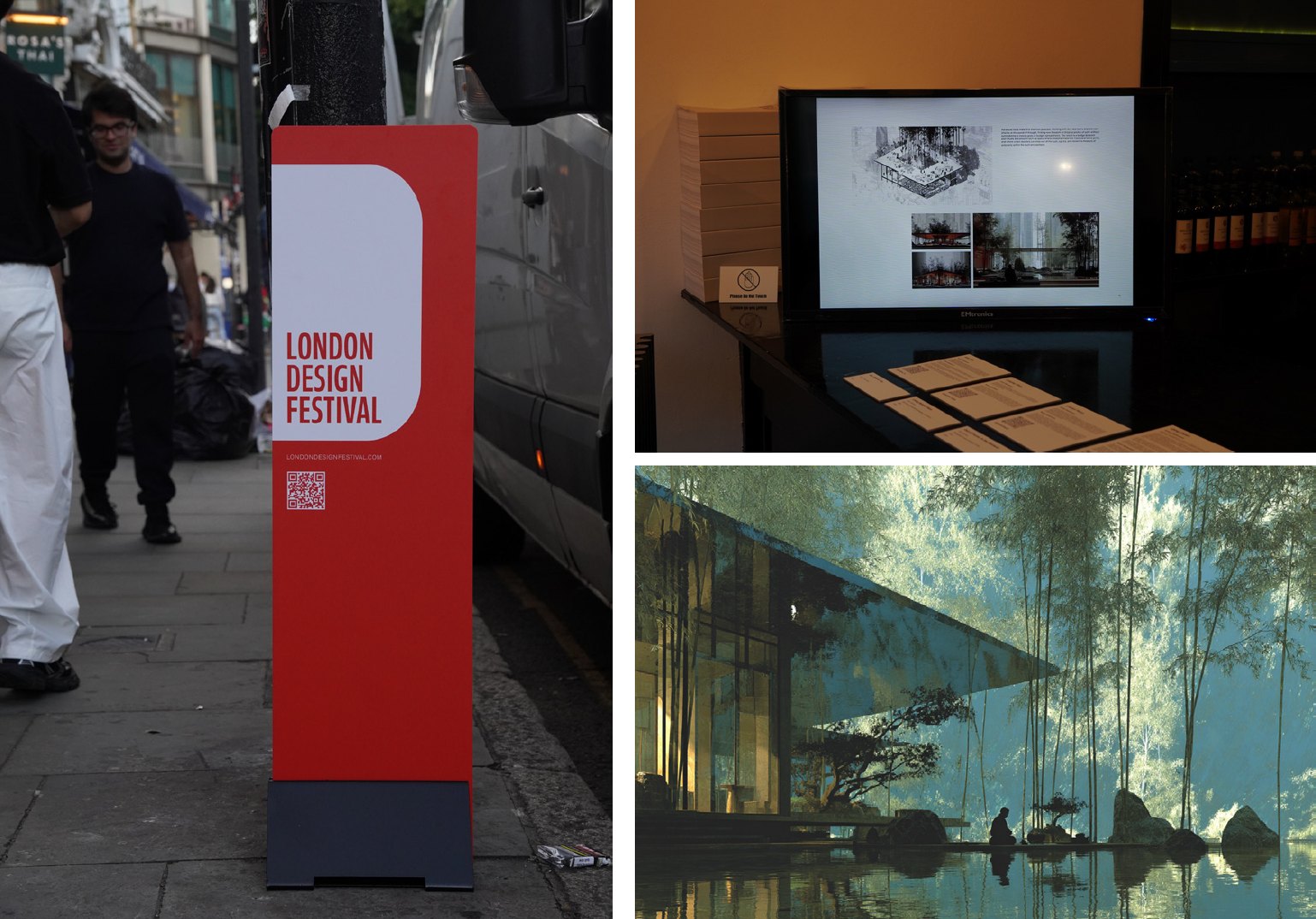

01From the Lab to the Studio
In the studio at UCL's Bartlett, my desk sat beside a few mini builder robots — 3D-printed, powered by algorithms. This was 2020, and I was studying inside the Living Architecture Lab, where machine learning and robotic assembly were treated as research subjects, not tools. AI felt largely like an academic frontier — provocative and highly experimental. The architectural outputs from AI were strange, often unusable, occasionally beautiful by accident.
Five years later, I sit in the same city, now a designer at a leading international practice, generating twelve coherent spatial concepts within seconds — work that could have taken me two full working days as an architectural assistant. Over the past few years, AI evolved from a speculative novelty into a daily necessity. Across international projects of all scales, it has embedded itself into my daily workflow. We are no longer just using algorithms to generate unexpected forms; AI has become an essential, high-speed ecosystem used to think, test, and communicate with unprecedented clarity.
02A New Anatomy of Practice
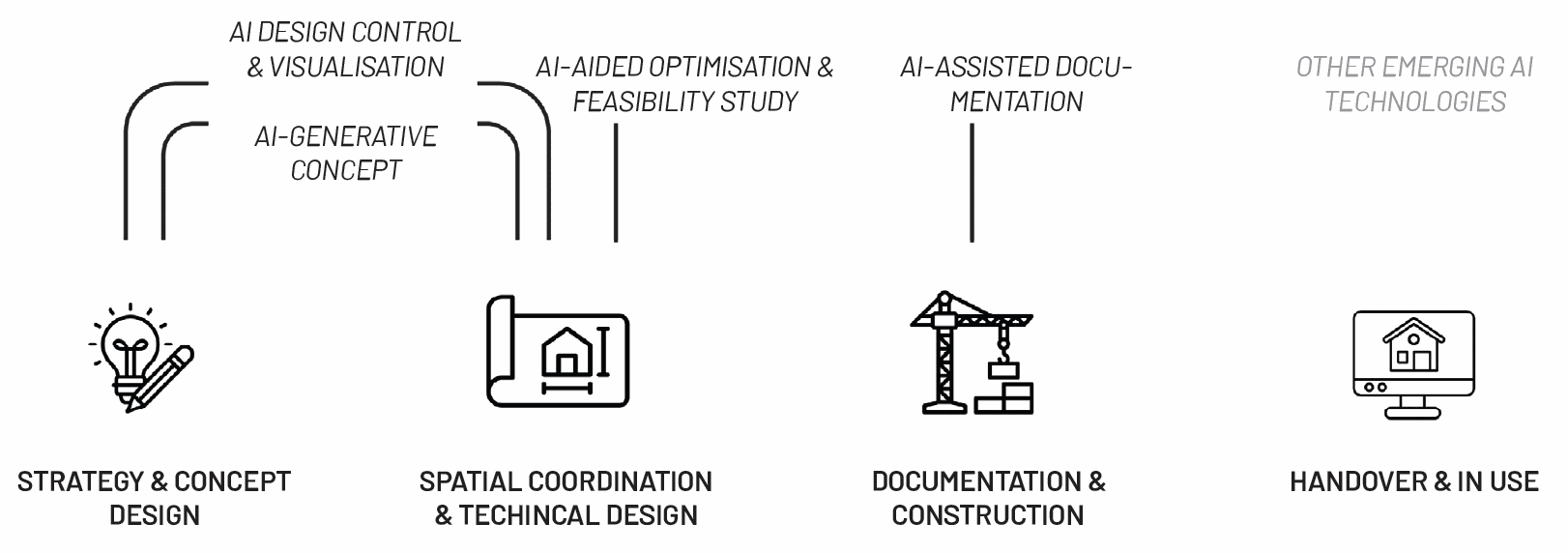
When I try to map where AI actually sits inside a project today, it helps to think in four stages, each with its own tools and its own kind of judgement required from the designer.
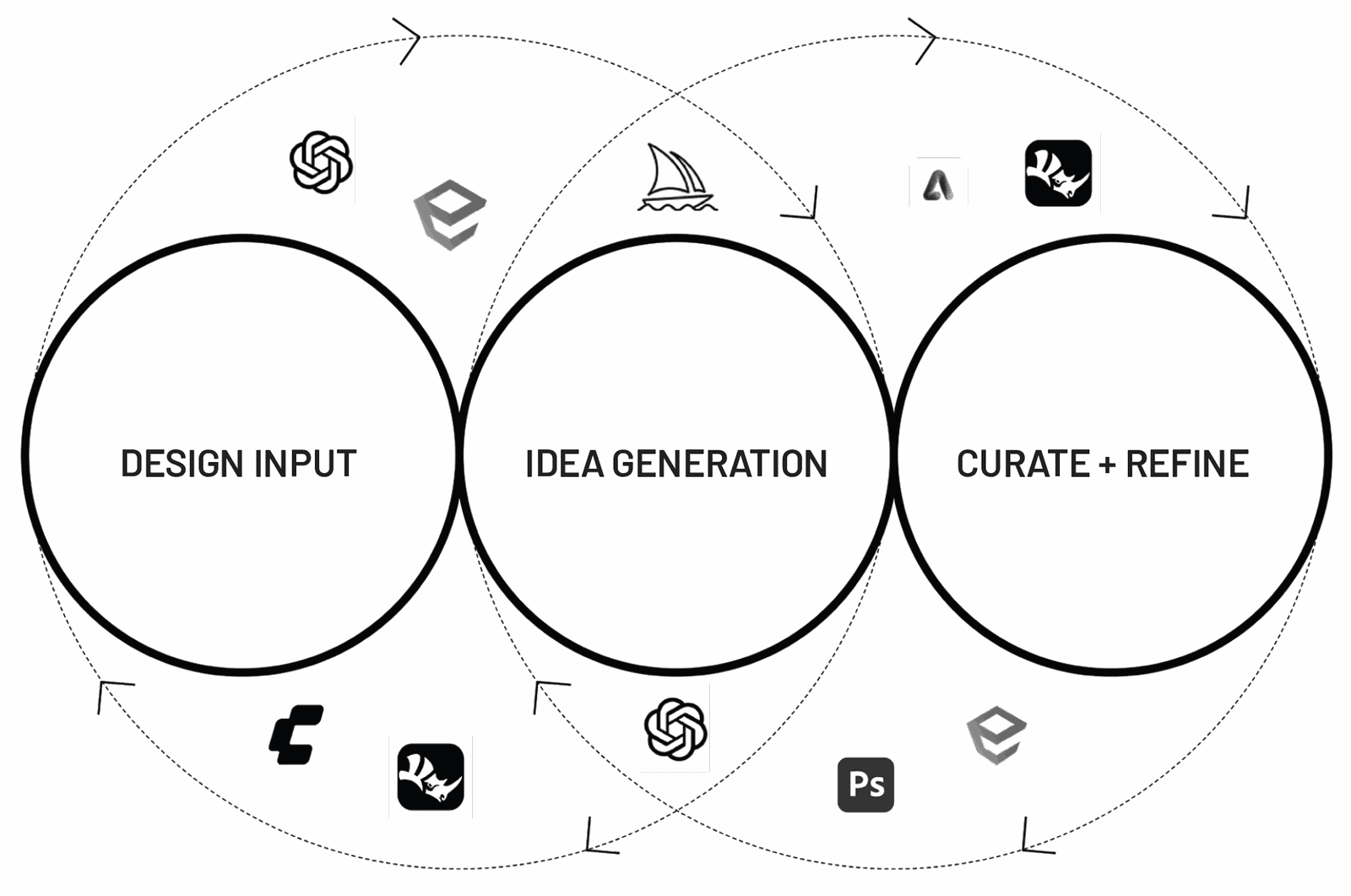
AI-Generative Concept is the earliest and most visible layer — and the one most people mean when they say "AI design." Midjourney has been my daily companion here since its early days in 2022, and its leap forward with version 5 in 2023 made it usable for serious spatial work, not just striking imagery. It remains, in my view, unmatched for raw creative range. Around the same time, ComfyUI emerged as an open-source, node-based alternative — initially a tool for technical hobbyists, it has since become the back-end infrastructure inside many serious design studios, and by 2025–2026 has matured into a standard, far more accessible pipeline tool for general users too.
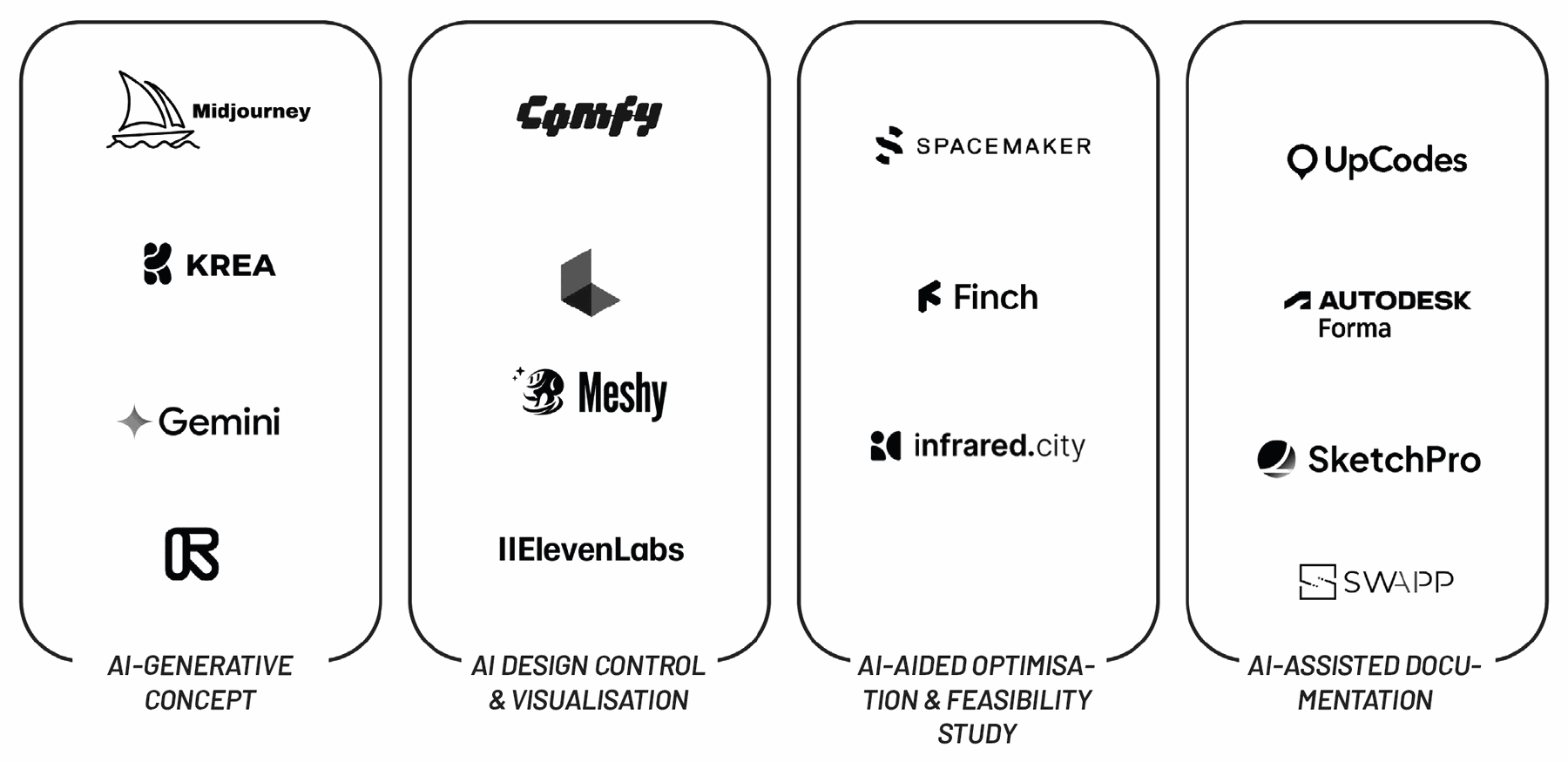
AI Design Control & Visualisation is the stage most transformed in just the past year. Nano Banana, launched via Gemini in 2025, became viral almost overnight among architects who had never touched an AI generation tool before — its natural-language understanding, backed by Gemini, makes deep semantic control accessible without any prompt-engineering skill. Krea, on the other hand, offers a wide range of features for image and video generation and modification, notably its real-time generation and workflow canvas.
AI-Aided Optimisation & Feasibility Study is where data, not imagery, drives the design. Finch tests floor plates and unit layouts against daylight and code in real time. Spacemaker pioneered the same logic at urban scale — wind, noise, sunlight, microclimate — and that DNA now lives on inside Forma. Infrared.city has emerged more recently as a climate specialist, simulating thermal comfort and solar exposure to quantify how a design will actually feel to inhabit.
AI-Assisted Documentation is the newest and least settled stage, touching the regulated, liability-bearing end of practice. Autodesk Forma, built from the site and massing analysis pioneered by Spacemaker, now extends toward documentation. SWAPP takes a narrower approach, trained on a firm's own drawing standards to convert schematic design into compliant Revit construction sets. Both remain pilots rather than industry default.
03Mapping AI onto the Stages of Work
To understand how this ecosystem actually functions in practice, it is useful to map these tools directly onto the stages of work in architecture. The integration of AI does not break the traditional phases of design; rather, it supercharges them, fundamentally altering where and how we spend our time.
In the Concept and Strategy phases (RIBA Stages 0–2), AI-generative concept tools take the lead. This is where platforms like Midjourney allow rapid visual iteration, mood and material exploration, testing spatial atmosphere before a floor plate exists. An idea that once required a week of hand-rendering or a day of modelling can now be tested visually in minutes. The number of design directions I can explore before a client presentation has grown by an order of magnitude, and that breadth changes the quality of the decision made in the room.
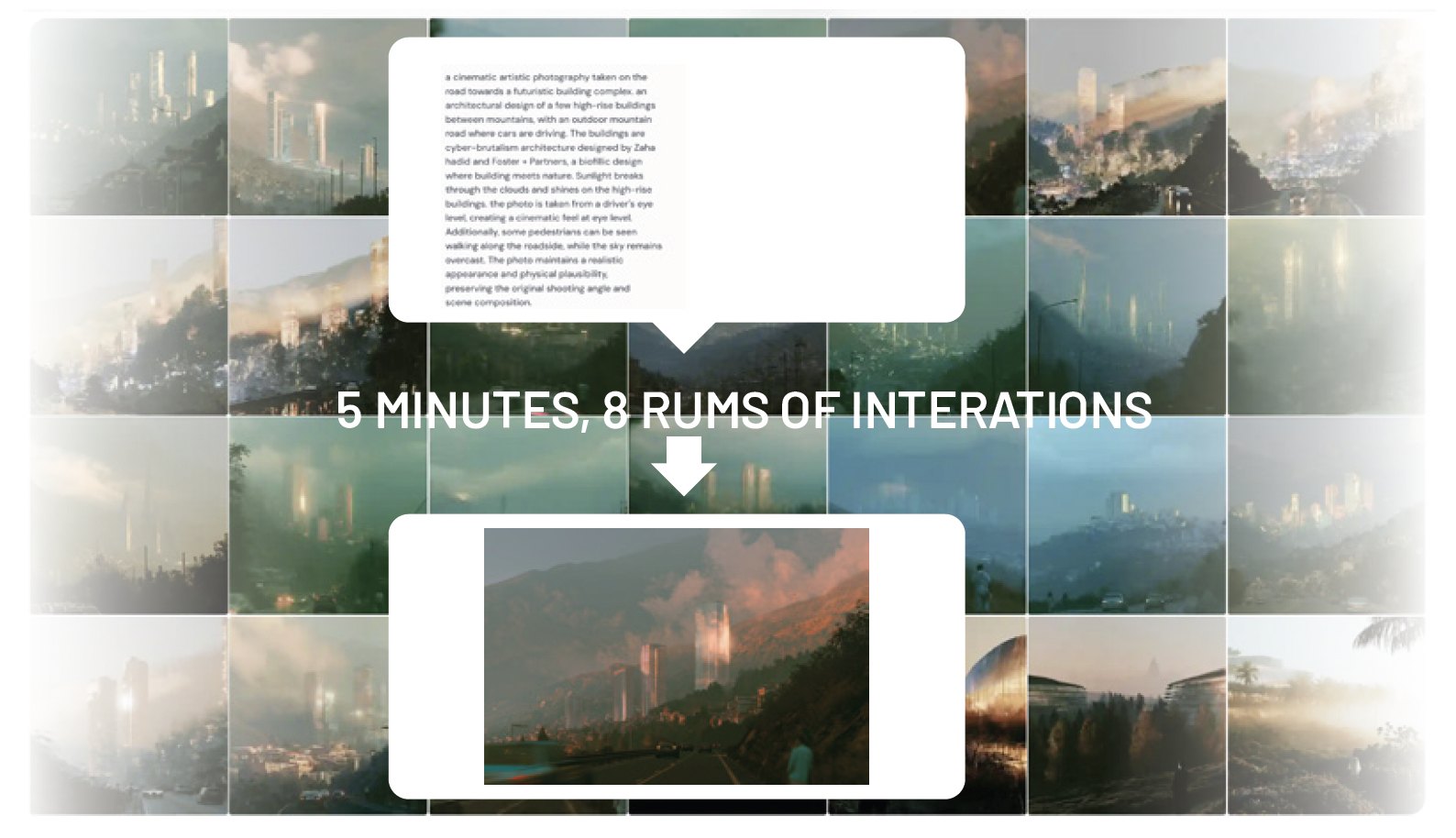
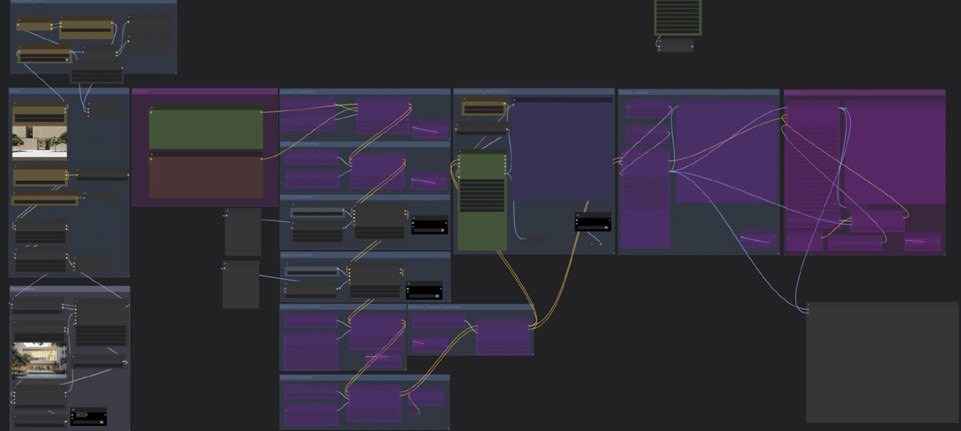
As the project matures through Concept Design to Spatial Coordination (RIBA Stages 2–3), AI design control and AI-aided feasibility start to take over. Here, Nano Banana and Krea are refining, directing, and communicating a design that is already taking shape. Finch, Forma, and Infrared.city enter the picture, stress-testing layout performance, climate response, and density assumptions before they become load-bearing commitments in the drawing set.
Moving into Technical Design and Construction (RIBA Stages 4–5), AI-assisted documentation begins to merge with our traditional BIM environment. While still an emerging frontier, platforms like SWAPP are starting to automate the translation of schematic models into compliant Revit construction sets, significantly reducing the manual drafting burden.
Beyond most architects' current daily roles, in the Handover and Use phases (RIBA Stages 6–7), a quieter shift is underway. AI extends the architect's relationship with the building through technologies like digital twins. Platforms such as Autodesk Tandem, integrated with IoT sensors and agentic AI, create a living digital replica of the built asset. Instead of handing over a static operation manual, architects can now deliver an intelligent system in real time. Architecture is no longer just a finished product; AI is helping to give architects a closed feedback loop on how their spatial concepts perform in reality.
04More Human, Not Less
The AI tools, the new workflow, the application per stage — together they sketch a profession in transition. AI has moved from the edges of research into the daily rhythm of practice faster than almost anyone predicted. What remains less settled is what this means for the architect standing at the centre of it.
AI has not reduced the architect's role — it has intensified it. Every image generated in seconds still requires a human to judge, direct, and discard. The workflow demands more decisions per project, not fewer. The risk is real: over-reliance on AI outputs can flatten creative ambition, and the profession must resist mistaking speed for depth.
But the opportunity is greater. Architects who master this workflow can think at a scale and pace previously impossible — testing bolder ideas earlier, communicating them more compellingly, and spending their hardest thinking where it has always mattered most: the decisions no algorithm can make.